




Casual Everyday Hats
Caps and Hats for Sun and Casual Style
A category like Curated Caps for Caps 5 works when it answers practical style questions before the product grid begins. Customers looking for fashion caps for casual outfits usually want clear details about shape, carry, comfort, and how often the piece can be worn.
For this edit, the emphasis is on quiet polish, easy neutral colors, and a clean enough for work and casual enough for weekends look, so the page reads like a shopping category rather than a block of repeated copy. The product grid becomes easier to scan when the opening copy gives context for use, proportion, and outfit pairing. That gives visitors a clearer reason to compare products before opening individual pages.
Outdoor Days with Easy Coverage
Customers browsing this section are usually thinking about how the piece will behave during the day. Can it support a practical routine while still feeling like part of a considered outfit? Those questions matter more than a decorative label, especially for categories connected with caps for travel and daily wear.
The most useful pieces can move between plans without a full outfit change. It can support work, travel, casual dressing, gifting, or seasonal refreshes, depending on the product type. That range makes the category easier to browse for people who want something attractive, practical, and not overly complicated.
Relaxed Accessories for Weekends
The styling direction works with quiet basics, clean outerwear, relaxed trousers, light dresses, and accessories that do not compete for attention. When a shopper wants more related options, the fashion caps and hats offers a useful path into nearby styles without breaking the shopping flow.
The same styling direction can continue through complementary accessories. A clean bag may work with a watch, a scarf may soften a jacket, and shoes can change the mood of an entire outfit. For another practical route through daily dressing, fashion eyeglasses can support a similar wardrobe plan.
Pairing Headwear with Everyday Looks
Good category text should feel close to the products. It can mention casual headwear online, but only when the phrase fits naturally inside a sentence about use, comfort, styling, or occasion. That keeps the page readable for customers while still giving search engines clear context.
A customer should leave the introduction knowing what the category offers and why it may fit daily life. Curated Caps for Caps 5 should feel easy to scan and easy to trust, with enough detail to explain what belongs here, how the pieces can be worn, and why they may be useful in a real wardrobe.
Small differences also matter inside a category. Color, closure, strap shape, sole feel, texture, size, or finish can change how a piece works during the week. Clear copy helps those differences feel visible before someone reaches the product grid, which makes the whole page more comfortable to shop during quick visits and longer browsing sessions today.
The description also leaves room for practical buying decisions, from checking size and comfort to imagining how the piece fits with clothing already owned. That makes the page feel more like a useful retail category and less like a repeated archive label.
Caps and Hats for Sun and Casual Style
A category like Curated Caps for Caps 5 works when it answers practical style questions before the product grid begins. Customers looking for fashion caps for casual outfits usually want clear details about shape, carry, comfort, and how often the piece can be worn.
For this edit, the emphasis is on quiet polish, easy neutral colors, and a clean enough for work and casual enough for weekends look, so the page reads like a shopping category rather than a block of repeated copy. The product grid becomes easier to scan when the opening copy gives context for use, proportion, and outfit pairing. That gives visitors a clearer reason to compare products before opening individual pages.
Outdoor Days with Easy Coverage
Customers browsing this section are usually thinking about how the piece will behave during the day. Can it support a practical routine while still feeling like part of a considered outfit? Those questions matter more than a decorative label, especially for categories connected with caps for travel and daily wear.
The most useful pieces can move between plans without a full outfit change. It can support work, travel, casual dressing, gifting, or seasonal refreshes, depending on the product type. That range makes the category easier to browse for people who want something attractive, practical, and not overly complicated.
Relaxed Accessories for Weekends
The styling direction works with quiet basics, clean outerwear, relaxed trousers, light dresses, and accessories that do not compete for attention. When a shopper wants more related options, the fashion caps and hats offers a useful path into nearby styles without breaking the shopping flow.
The same styling direction can continue through complementary accessories. A clean bag may work with a watch, a scarf may soften a jacket, and shoes can change the mood of an entire outfit. For another practical route through daily dressing, fashion eyeglasses can support a similar wardrobe plan.
Pairing Headwear with Everyday Looks
Good category text should feel close to the products. It can mention casual headwear online, but only when the phrase fits naturally inside a sentence about use, comfort, styling, or occasion. That keeps the page readable for customers while still giving search engines clear context.
A customer should leave the introduction knowing what the category offers and why it may fit daily life. Curated Caps for Caps 5 should feel easy to scan and easy to trust, with enough detail to explain what belongs here, how the pieces can be worn, and why they may be useful in a real wardrobe.
Small differences also matter inside a category. Color, closure, strap shape, sole feel, texture, size, or finish can change how a piece works during the week. Clear copy helps those differences feel visible before someone reaches the product grid, which makes the whole page more comfortable to shop during quick visits and longer browsing sessions today.
The description also leaves room for practical buying decisions, from checking size and comfort to imagining how the piece fits with clothing already owned. That makes the page feel more like a useful retail category and less like a repeated archive label.


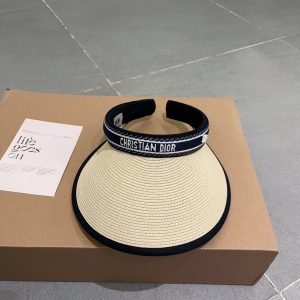
Caps and Hats for Sun and Casual Style
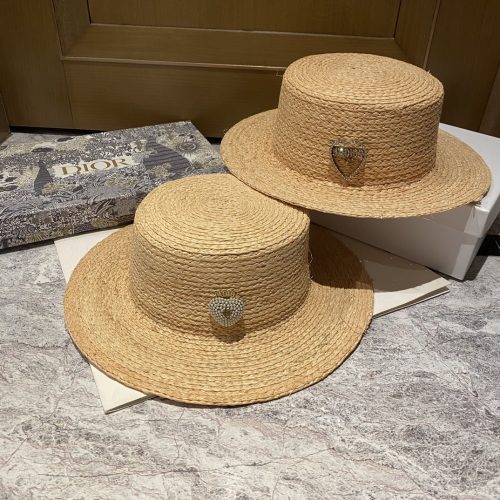
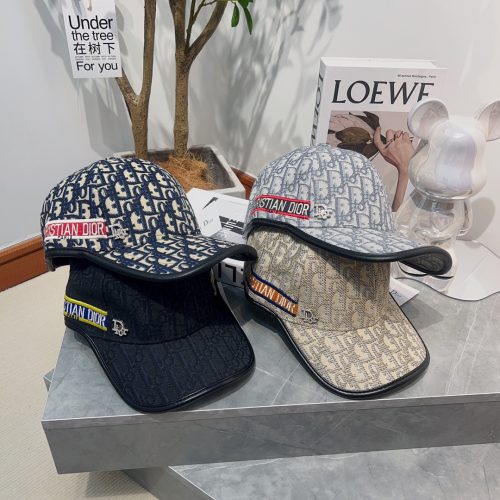
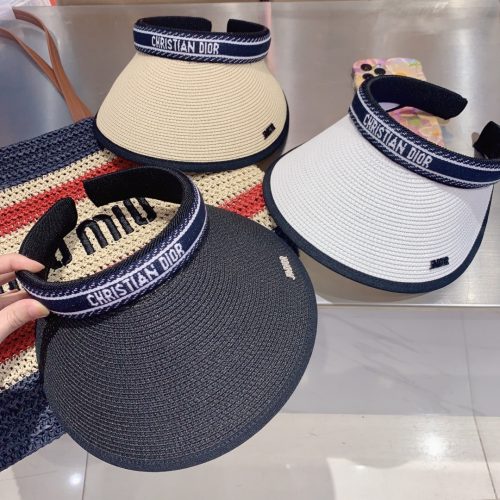
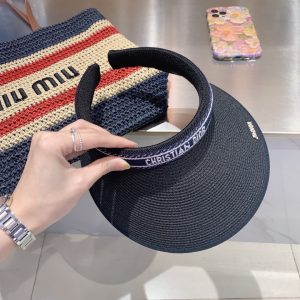
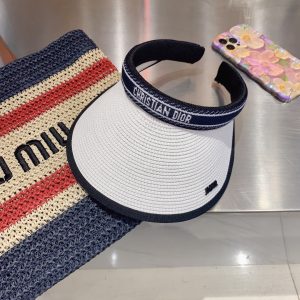
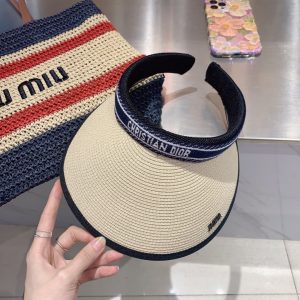
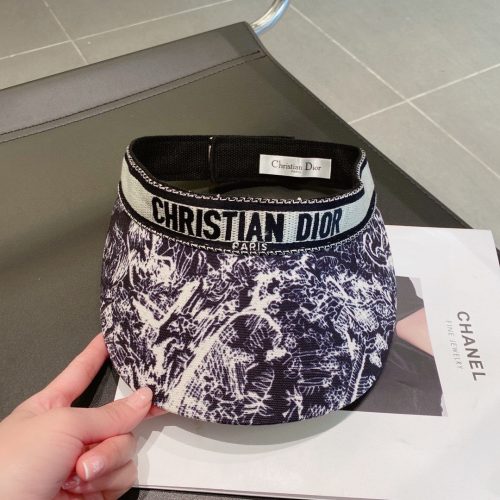
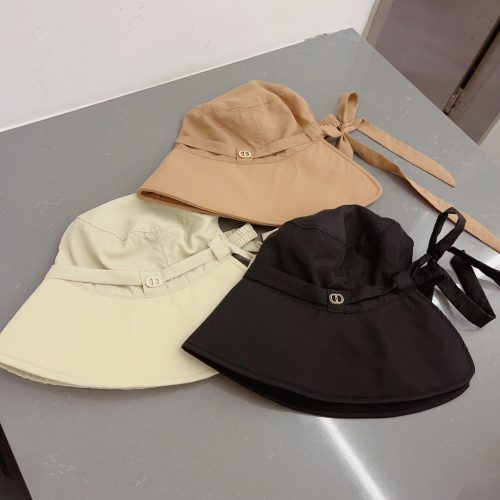
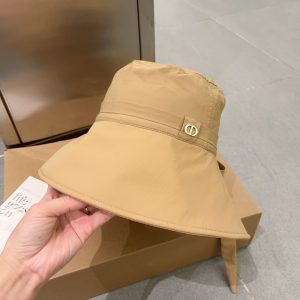
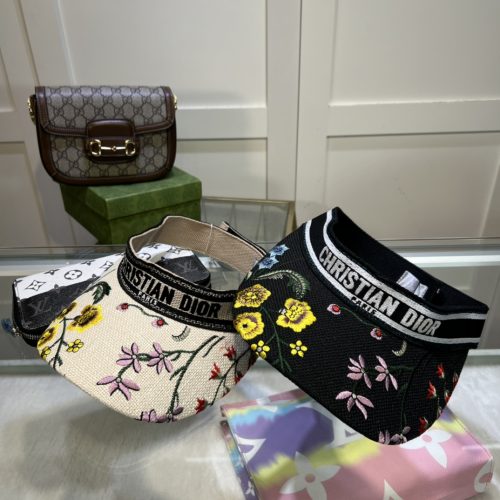
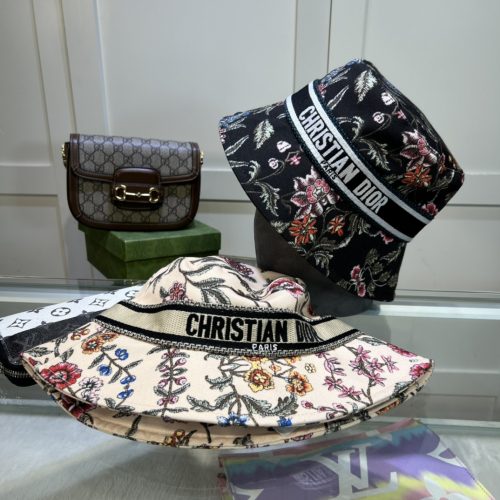
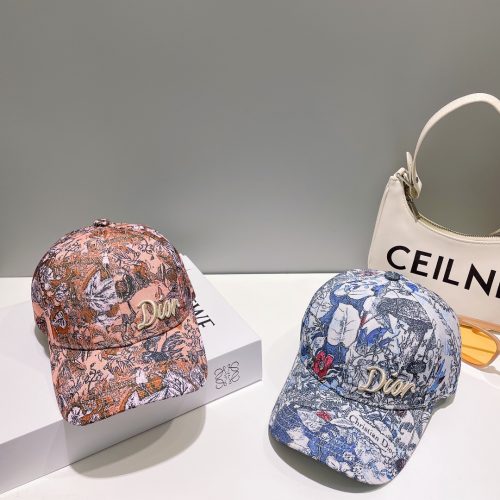
A category like Curated Caps for Caps 5 works when it answers practical style questions before the product grid begins. Customers looking for fashion caps for casual outfits usually want clear details about shape, carry, comfort, and how often the piece can be worn.
For this edit, the emphasis is on quiet polish, easy neutral colors, and a clean enough for work and casual enough for weekends look, so the page reads like a shopping category rather than a block of repeated copy. The product grid becomes easier to scan when the opening copy gives context for use, proportion, and outfit pairing. That gives visitors a clearer reason to compare products before opening individual pages.
Outdoor Days with Easy Coverage
Customers browsing this section are usually thinking about how the piece will behave during the day. Can it support a practical routine while still feeling like part of a considered outfit? Those questions matter more than a decorative label, especially for categories connected with caps for travel and daily wear.
The most useful pieces can move between plans without a full outfit change. It can support work, travel, casual dressing, gifting, or seasonal refreshes, depending on the product type. That range makes the category easier to browse for people who want something attractive, practical, and not overly complicated.
Relaxed Accessories for Weekends
The styling direction works with quiet basics, clean outerwear, relaxed trousers, light dresses, and accessories that do not compete for attention. When a shopper wants more related options, the fashion caps and hats offers a useful path into nearby styles without breaking the shopping flow.
The same styling direction can continue through complementary accessories. A clean bag may work with a watch, a scarf may soften a jacket, and shoes can change the mood of an entire outfit. For another practical route through daily dressing, fashion eyeglasses can support a similar wardrobe plan.
Pairing Headwear with Everyday Looks
Good category text should feel close to the products. It can mention casual headwear online, but only when the phrase fits naturally inside a sentence about use, comfort, styling, or occasion. That keeps the page readable for customers while still giving search engines clear context.
A customer should leave the introduction knowing what the category offers and why it may fit daily life. Curated Caps for Caps 5 should feel easy to scan and easy to trust, with enough detail to explain what belongs here, how the pieces can be worn, and why they may be useful in a real wardrobe.
Small differences also matter inside a category. Color, closure, strap shape, sole feel, texture, size, or finish can change how a piece works during the week. Clear copy helps those differences feel visible before someone reaches the product grid, which makes the whole page more comfortable to shop during quick visits and longer browsing sessions today.
The description also leaves room for practical buying decisions, from checking size and comfort to imagining how the piece fits with clothing already owned. That makes the page feel more like a useful retail category and less like a repeated archive label.